
EBC Luxury Trek Reviewed: Day-by-Day, Is It Worth the Name
12th Jul, 2026
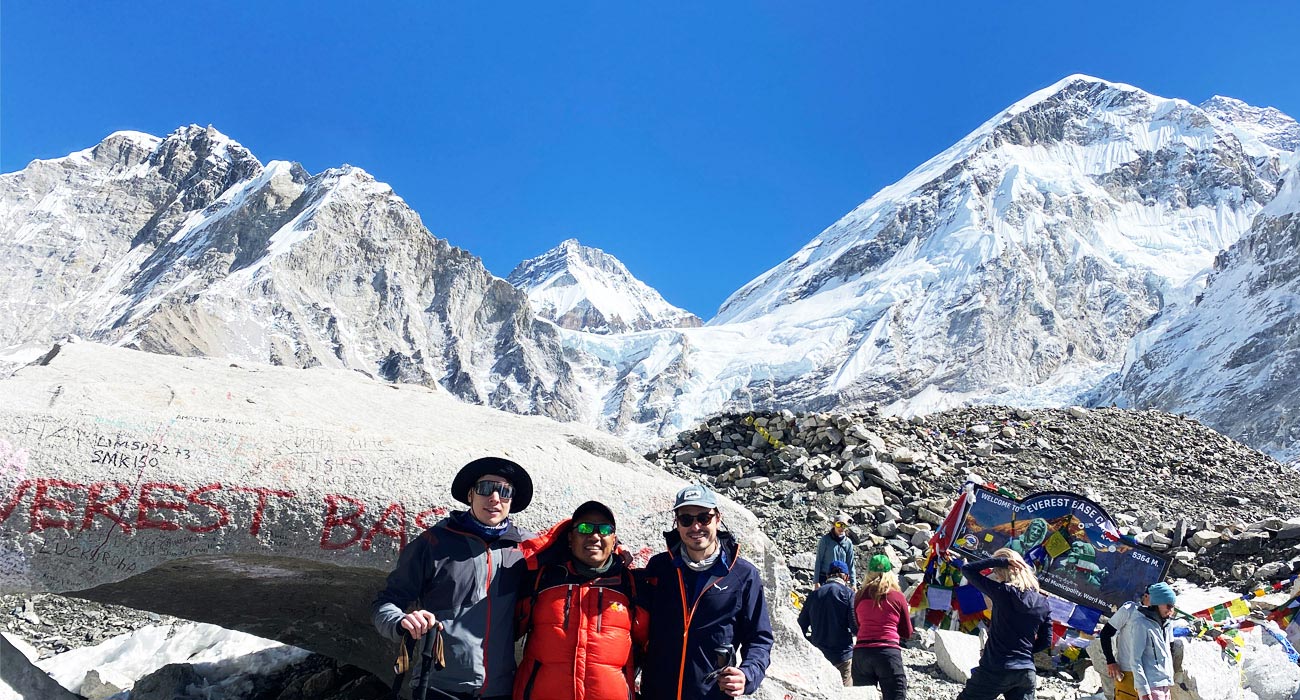
Short answer: Yes - but not the way a five-star beach resort is luxury. On the Everest Base Camp Luxury Trek, "luxury" means the best beds, the best food, and the best guiding the Khumbu can offer at each altitude — not an unlimited upgrade that follows you all the way to 5,364 meters. Below Namche Bazaar, it genuinely feels five-star. Above Dingboche, luxury starts to mean "the warmest room available" rather than "a hotel room." That distinction is the whole story, and almost nobody tells you about it honestly before you go.
Table of Contents
This account walks through what actually changes, day by day, when you pay for the luxury version of the classic Everest Base Camp Trek instead of the standard teahouse route — based on the itinerary, lodges, and services used on Mountain Eco Treks' own Luxury Everest Base Camp Trek.
What "Luxury" Actually Means on This Trek
Before the day-by-day breakdown, here's the honest framework, because it answers the question most people are really asking:
- Kathmandu (Days 1 and 11): Full five-star hotel luxury — Hotel Aloft or similar, real luxury, no caveats.
- Phakding to Namche Bazaar (Days 2–4): Premium lodges like Yeti Mountain Home — heated rooms, proper bedding, hot showers, close to luxury-hotel comfort.
- Tengboche to Dingboche (Days 5–7): Still the best lodge in the village — Hotel Rivendell, Dingboche Resort — but "best available" starts to mean warm and comfortable rather than plush.
- Lobuche to Gorak Shep (Days 8–10): This is where the mountain wins. Rooms are heated common areas more than heated bedrooms, and bathrooms are shared even on the luxury package.
That single, unglamorous fact — that luxury tapers as altitude rises, because physics and infrastructure simply don't allow otherwise above 4,900m — is the piece of information most trekkers wish someone had told them up front.
Day-by-Day: What Comfort Actually Looks Like
Day 1–2: Kathmandu and the Helicopter to Lukla
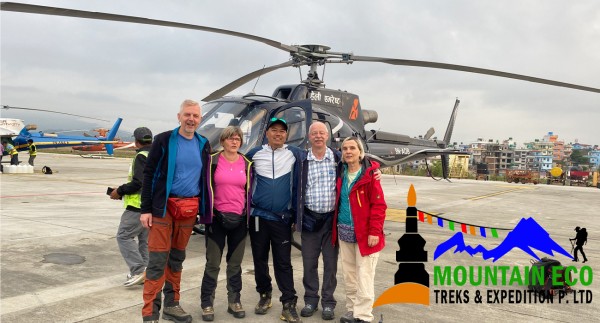
The trek opens exactly the way the brochure promises. A private transfer, a real five-star hotel, and the next morning a helicopter flight straight to Lukla instead of queuing for a fixed-wing flight at 4 a.m. This is where the price tag feels immediately justified — you skip the chaos that defines most people's Everest Base Camp stories, and you're on the trail toward Phakding by mid-morning with mountain views most trekkers only get on day three.
Day 3–4: Namche Bazaar - The Peak of the "Luxury" Experience
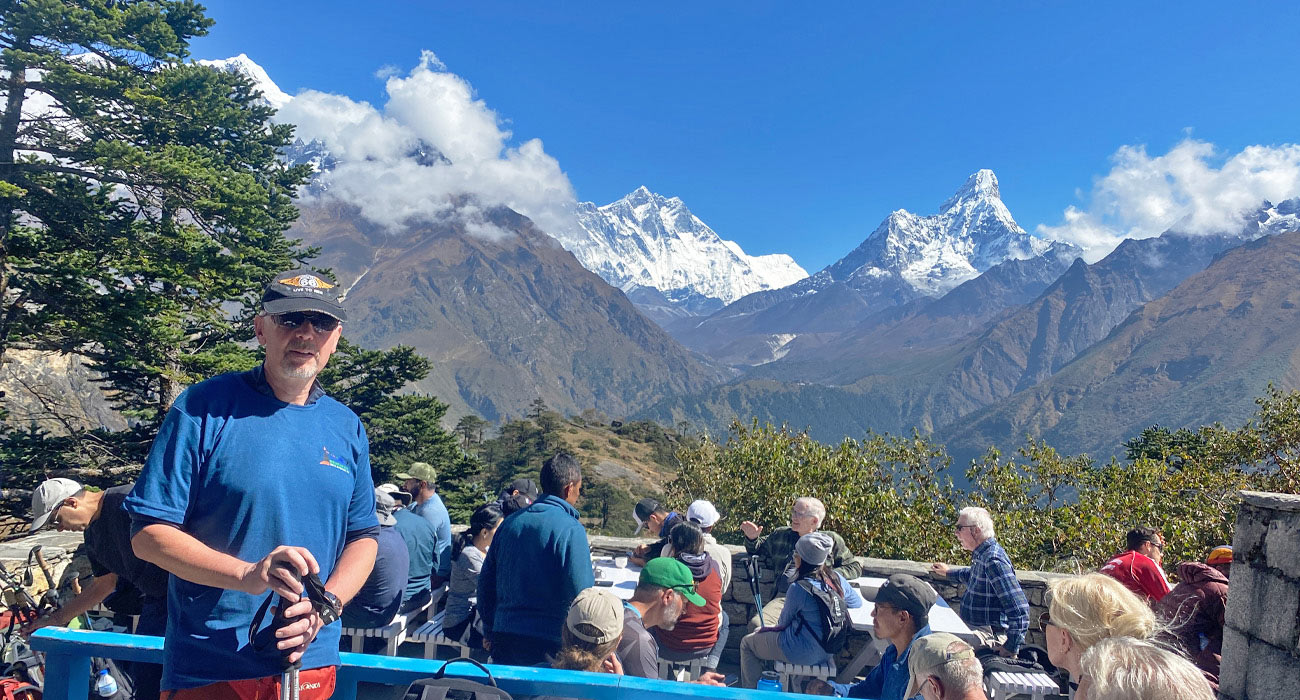
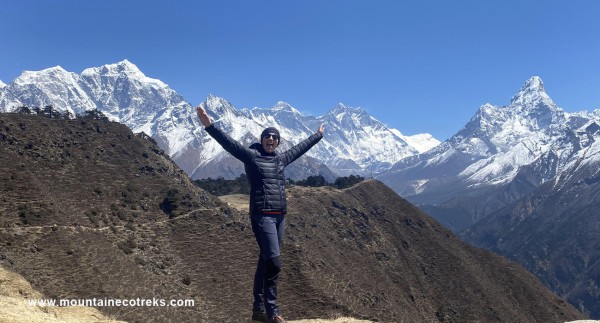
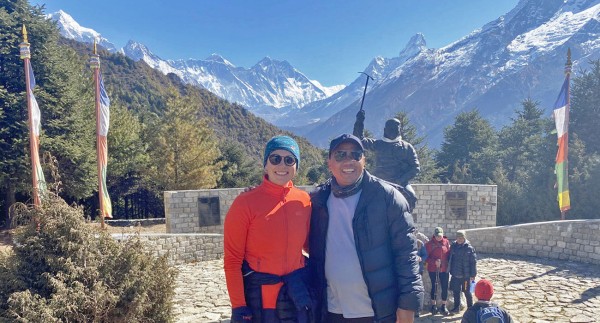
This is arguably the best two days of the entire luxury package. Yeti Mountain Home in Namche has hot showers that are actually hot, proper duvets, and a dining room warm enough to sit in without a jacket. The acclimatization day up to the Everest View Hotel is genuinely one of the highlights of the whole trek — not because of the hotel, but because it's the first unobstructed look at Everest, Lhotse, and Ama Dablam together. If you're judging the trek by these two days alone, the "luxury" label earns its keep completely.
Day 5–7: Tengboche and Dingboche - Comfort Starts Trading Off Against Altitude
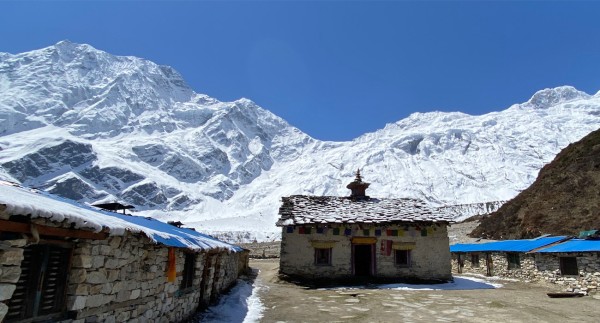
Here's where the honest account diverges from the marketing copy. Hotel Rivendell and Dingboche Resort are still the best rooms in their respective villages — but "best in the village at 4,410m" is a different standard than "best in Kathmandu." Heating is usually limited to the dining hall, powered by a stove that gets lit in the evening and dies down overnight. Rooms are warm enough to sleep in a good bag comfortably, but you're not walking into a heated bedroom the way you did in Namche. This is also the second acclimatization day - a hike up Nagarjun Hill - and by this point, altitude, not lodge quality, becomes the thing you're actually managing.
Day 8–9: Lobuche and Everest Base Camp - Where "Luxury" Means Something Different
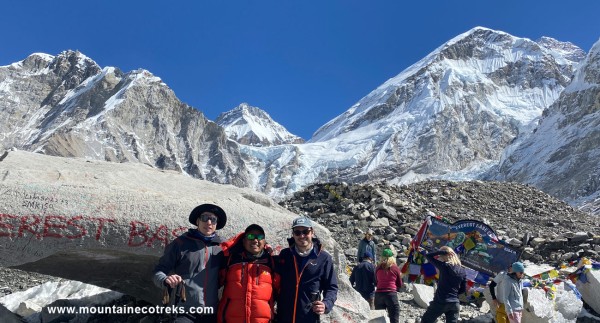
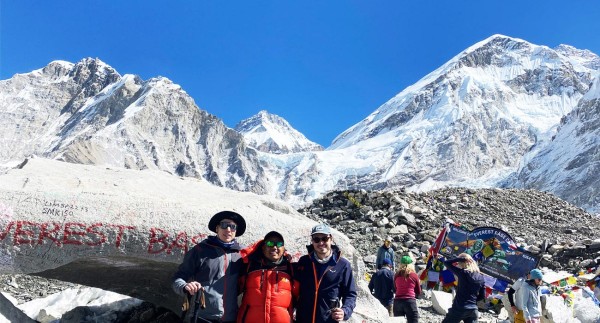
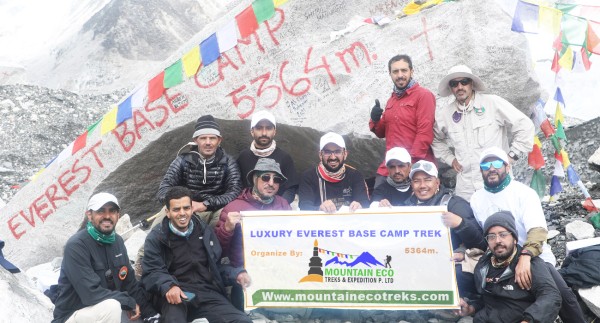
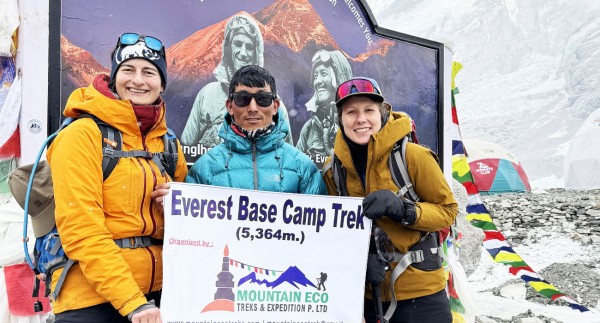
Above Dingboche, luxury stops meaning plush and starts meaning reliable. Hotel Oxygen Altitude in Lobuche has shared bathrooms even on the luxury package - there's simply no infrastructure at this altitude to offer otherwise. What you're actually paying for here is a warmer common room, better food than the standard teahouses serve, a private guide monitoring your oxygen levels, and the reassurance of supplementary oxygen and emergency support on hand if you need it. The day you reach Everest Base Camp itself and stand beside the Khumbu Icefall, none of that matters anyway - no lodge amenity competes with actually being there.
Day 10: Kala Patthar Sunrise and the Helicopter Home
The pre-dawn climb to Kala Patthar (5,545m) for sunrise over Everest, Nuptse, and Pumori is the trek's genuine emotional peak, and it has nothing to do with luxury at all - it's cold, it's dark, and it's earned. What luxury does buy you afterward is skipping the three-to-four-day walk back to Lukla. The helicopter flight from Gorak Shep to Kathmandu is fast, spectacular, and turns what would otherwise be a grueling descent into a one-hour flight over the Khumbu Glacier. This is the single biggest, least ambiguous "worth it" moment of the entire luxury upgrade.
So - Is It Actually Worth the Price?
Compared to the standard Everest Base Camp Trek, the luxury version costs roughly $1,600 more. What that money buys, in order of how much it actually matters at altitude:
- Better sleep and better food below 4,000m, which measurably helps acclimatization and energy for the harder days ahead.
- A private guide and higher staff ratio, which matters far more for safety than for comfort.
- The helicopter return, which saves three to four days and spares your knees the long walk down.
- Nicer rooms - real, but with real limits above Dingboche that no amount of money currently fixes.
If your priority is genuinely maximizing comfort at every single stop, know that the comfort gap narrows sharply the higher you go — the mountain, not the itinerary, sets that ceiling. If your priority is starting well-rested, eating well, trekking with a better-supported team, and getting home faster at the end, the luxury package delivers exactly what it promises.
Frequently Asked Questions
Is the Everest Base Camp Luxury Trek actually luxury the whole way? No. It's genuinely luxurious in Kathmandu and through Namche Bazaar, comfortable-but-simpler through Dingboche, and mainly about warmth, food quality, and safety support above Lobuche, where shared bathrooms are standard even on the luxury package.
What's the biggest real difference between the luxury and standard Everest Base Camp treks? Lodge quality below 4,000m, meal variety throughout, staff-to-trekker ratio, and the helicopter return from Gorak Shep to Kathmandu, which saves three to four days of walking.
Are private bathrooms available the whole trek? Private or en-suite bathrooms are available at lower elevations (Phakding through Dingboche). Above that, at Lobuche and Gorak Shep, bathrooms are shared regardless of package, due to altitude and infrastructure limits.
Does the luxury package reduce the risk of altitude sickness? It doesn't remove the risk, but it helps manage it — better sleep, better nutrition, closer guide monitoring with pulse oximeters, and supplementary oxygen on hand all support acclimatization. The itinerary still includes the same two dedicated acclimatization days as the standard route.
Is the helicopter return worth the extra cost? For most trekkers, yes - it's the clearest, least debatable value in the luxury package. It replaces three to four days of walking with a roughly one-hour scenic flight and removes the risk of Lukla flight delays on the way home.
Who should book the standard trek instead? Trekkers on a tighter budget, or those who specifically want the classic teahouse experience — shared dining halls, basic rooms, and the camaraderie that comes with it - may prefer the standard Everest Base Camp Trek, which follows the same route and acclimatization schedule at a lower price point.
The Honest Verdict
The Everest Base Camp Luxury Trek isn't luxury in the sense of eliminating the mountain's difficulty — nothing does that. It's luxury in the sense of removing everything unnecessary around that difficulty: bad sleep, mediocre food, long queues at Lukla, an exhausting walk back down. What's left, once those things are gone, is just you, a well-supported team, and the same extraordinary trail to the base of the world's highest mountain that every EBC trekker walks. Whether that's worth the price is really a question of what kind of tired you want to be at the end of each day — and for most people who've done it, the answer is a clear yes.
Ready to see the full itinerary, lodge-by-lodge inclusions, and 2026/2027 departure dates? View the complete Everest Base Camp Luxury Trek package, or explore other ways to experience the Everest Region.
Recent From Blog

19th Apr, 2019


23rd Dec, 2018

11th Jan, 2024

14th Jan, 2024

29th Jan, 2025

11th Feb, 2025

18th Feb, 2025

25th Feb, 2025

5th Apr, 2025
23rd Dec, 2025
9th May, 2026
12th Jul, 2026

13th Aug, 2026
13th Aug, 2026
13th Aug, 2026

16th Aug, 2026
20th Aug, 2026


11th Sep, 2026
24th Sep, 2026
25th Sep, 2026
5th Oct, 2026
6th Oct, 2026